The dairy industry is catching fire once again and back in the negative media spotlight. Let’s get a few things straight.
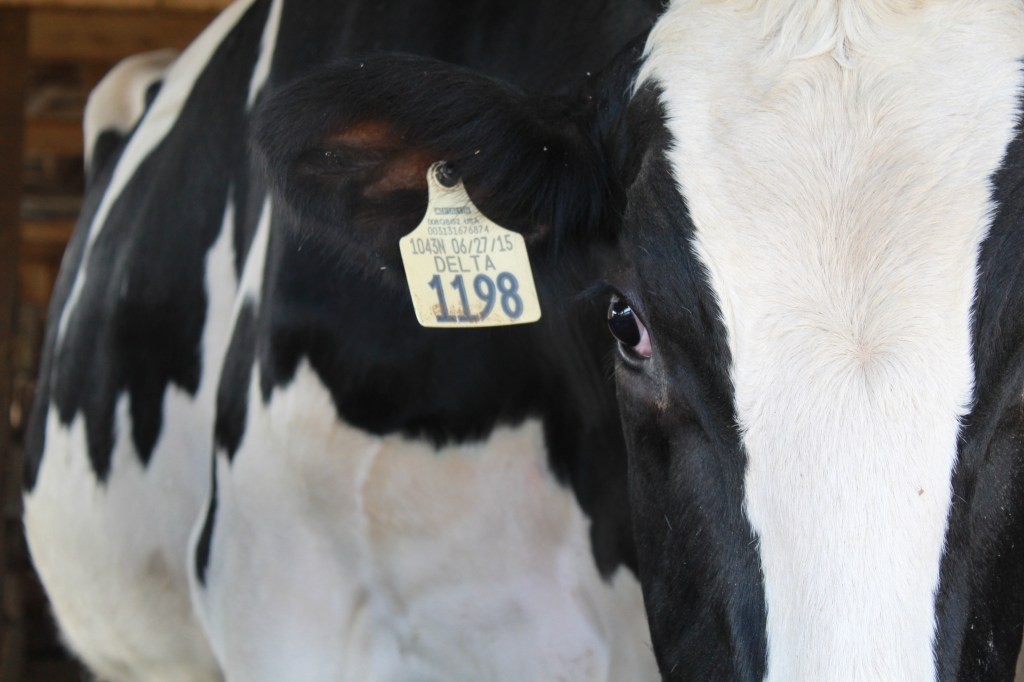
What happens to male calves? Male calves, called bulls, don’t produce milk. Genetics tell us about 50% of calves born are bulls. We don’t need that many bulls to breed our cows, so what happens to the rest of them? While there is a small percentage that are used for veal, the majority of the bull calves are raised for beef alongside conventional beef breeds. Some dairy calves are harvested earlier, around one year of age, due to the tenderness and flavor found in beef from younger calves. Dairy bulls are on grain longer than beef steers (castrated bulls) because they are started on feed when they are about one week old. Grain alters the flavor and texture of beef and many consumer preference studies have shown that we as a society typically prefer grain-fed beef.
Why are dairy calves taken away from their mothers? Dairy calves are removed from the cow soon after birth on most operations. This allows for heightened individual care and safety of the calf and allows the cow to provide more milk for the operation. Calves are always given colostrum, the mother’s first milk, which contains antibodies and provides the calf an immune system. Calves that do not get colostrum are often chronically ill and slow growing, if they survive beyond the first few days. Farmers remove calves from the cow quickly to minimize distress in the animals. This immediate weaning is completely normal to dairy cattle and very little vocalization is ever heard.
Why are calves kept in small spaces? Dairy calves often spend their first couple of months in individual little houses, called hutches. This is to prevent the spread of sickness and allows the farmer to keep a close eye on calf health. Milk and grain are distributed very specifically and are formulated for each calf as an individual. Once calves are weaned, they are moved into a larger community pen, and continue graduating up until they are part of the cow herd. Calf health is very important to farmers and disease can spread quickly from animal to animal, especially when they are young and don’t have a full immune system yet.
What happens to cows at the end of their production career? When cows reach the end of their milk production life or are selected to be sold due to poor production, structure, or otherwise undesirable traits, they are termed “cull cows” and sold for beef. Cull cows, both beef and dairy, are often harvested soon after leaving the operation, but occasionally will be fed to regain condition before harvest. The average productive lifespan of a dairy cow depends largely on genetics and the management of the operation.
Why are dairy cows artificially inseminated (AI)? Having a one-ton dairy bull around is not safe, for farmers or for cows. It’s also not always economical. AI allows farmers to utilize the best genetics, carefully select the best bull for each individual cow, and control the breeding schedule while also minimizing the risk of breeding injury to the cow. Dairy bulls have a bit of a bad rap when it comes to attitude, so in many cases it’s best if a farmer doesn’t have to maintain a bull year-round. Cows are bred to calve once per year, which aligns with a more “natural” season, IF cattle were wild. Cows must have recently had a calf to produce milk and are milked around an average of 305 days per year. Dry cows, or those who are not currently milking, are often turned out to pasture until they are brought in again at the end of their pregnancy.
What are dairy farms doing to be sustainable? Sustainability is such a hot-button topic these days. Agriculturalists often catch heat for not being sustainable, when in reality farmers and ranchers are phenomenal stewards of the earth. Many operations practice rotational grazing to prevent overgrazing of pastures and keep the soil and grass healthy. Dairies also have systems in place to manage waste and manure and keep it out of waterways. A large percentage of dairies also have a farming operation as well, and often recycle their manure onto their fields as fertilizer. Additionally, a huge portion of what these cattle eat are either not suitable for human use or are byproducts of what humans do use. There are a lot of sustainable practices going on in the dairy industry – check out this blog to learn more.
What is there to be excited about in the dairy industry? Agriculture as a whole is always evolving and improving, and that is true for the dairy sector as well. Robotic milking systems are becoming more prevalent, though not yet economical for smaller operations. What’s cool about robotic systems is that it allows the cow to dictate how often she is milked and monitors health electronically. Any deviations from a cow’s norm is recorded and tracked, and the system alerts the farmer for further investigation.

No doubt, there is room for improvement in the dairy industry. Consumers continue to dictate farming practices, whether directly or through their purchasing dollar. However, it’s critical to realize that farmers are doing what they can with what they have in the present moment, and only want what is best for their animals and their operation. Healthy, happy cattle are the key to a successful operation, markets and economics aside.
Believe me when I say, NOBODY cares more about these animals than the farmers whose livelihoods depend on them. These farmers know their cattle; they know which ones kick in the parlor, who likes a good chin scratch, the comedian – the quirks and personalities that come with each animal. Some of them have names and stories. We cry when we lose a calf we fought so hard for, cuss and kick the dirt when it’s time to sell a longtime favorite, and pray to break even with every small check we receive. Dairy farmers are human – people who do what they do out of a love for their industry, because Lord knows they’re not in it for the money. Join me in raising a glass of milk to our American dairy farmers.
For delicious, dairy-filled recipes and a glimpse into the life of a real-life dairy farmer, advocate, and mother of two, check out Dairy Carrie on Facebook, Twitter, Instagram, and on her website. To read more about my own dairy experience, click here.

 Rachel Waggie
We raise a dozen or so day-old dairy steers every year. We enjoy doing it–i just wish cattle prices weren’t so bad, especially for dairy steers.
LikeLike
It’s so bad right now, but it’s got to come around sometime! Best wishes for you in your operation.
LikeLike
Well done Rachel. Ag’s story needs to be told often, and you did a good job for the dairies. Sad to say that Hanover only has one dairy left from the 7 or 8 dairies that were here twenty years ago. It ain’t all easy but farmers do persist thank goodness. Agriculture being the only absolutely necessary industry in this great country. Courtland Warfield (Proud Honorary Grandaddy!)
LikeLike