If you’re reading this, chances are you heard about the wildfires that ravaged southwest Kansas, northwest Oklahoma, eastern Colorado and the Texas Panhandle last month. If not, here’s a quick recap: on March 6, 2017, and the days following, huge fires broke out in the plains region, destroying millions of acres, thousands of head of cattle, hundreds of houses and even claiming a handful of human lives. The damage is indescribable, and unless you’ve seen it firsthand, is hard to comprehend.
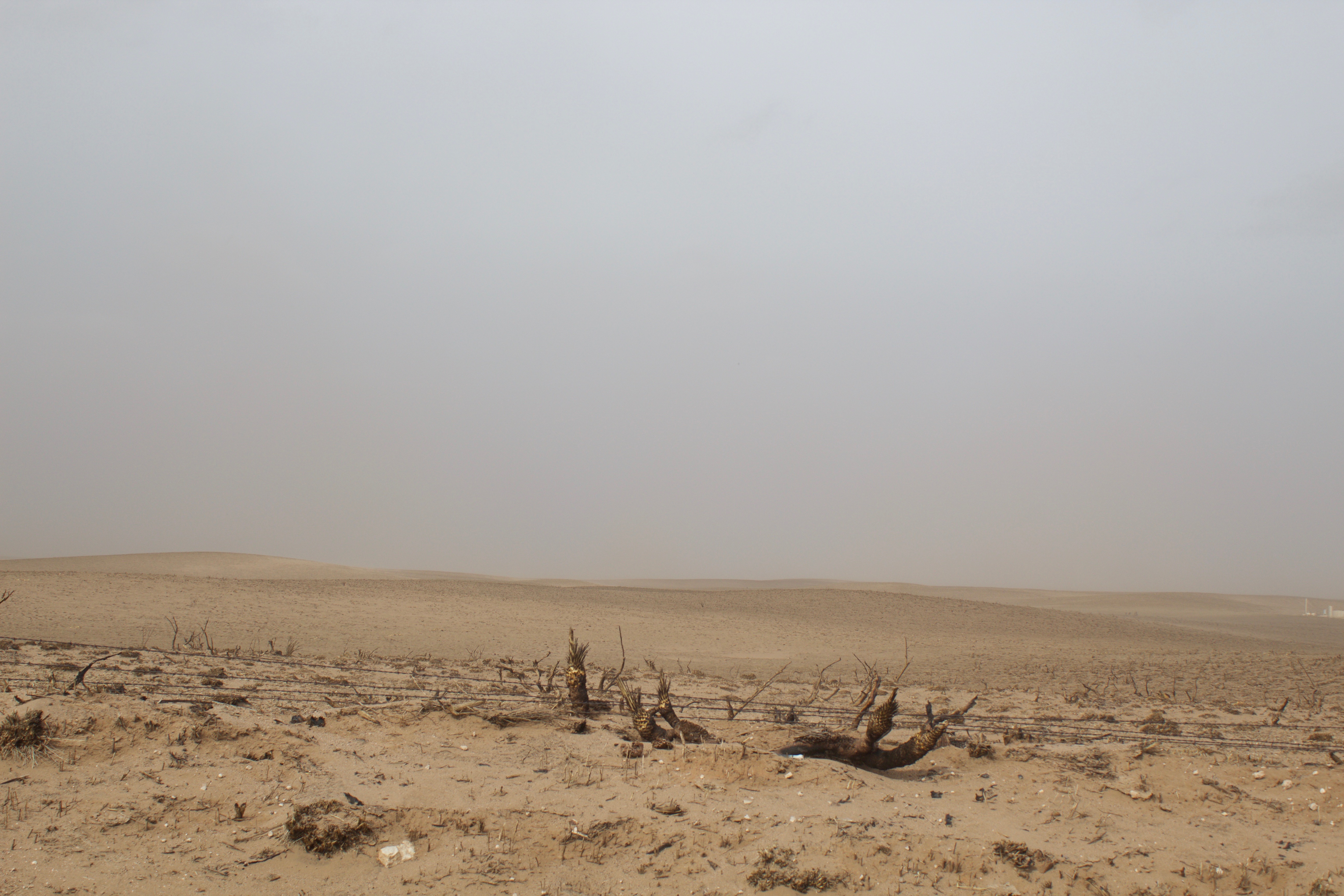
I spent the weekend after the fires were put out near Ashland and Englewood, Kansas. It was heartbreaking to see the devastation in these areas, which were some of the hardest hit of all. I got to Greensburg around 5 Saturday evening and waited for my crew to return from a day of work building fences in Ashland. I rode with our host to pick up dinner donated by some church ladies and helped grind hay for their cattle. After a delicious dinner, we had a quick Bible study and turned in for the night. The next morning, we got up and headed back to Ashland to attend church. This was the most moving church service I have ever been to. The preacher asked members to stand and share something they were thankful for that week. I was astounded by the resilience of the community members. Some kept it light. I remember one older gentleman said it was a good way to get a new wardrobe and move to town. The Gardiner family was also present at church that morning. The Gardiners are a large family that have a huge Angus seedstock operation near Ashland. One of the Gardiner families, Mark & Eva, along with their grown children, lost their house and two dogs. The operation itself lost at least 500 cows, but their new marketing center and sale barn were spared, allowing them to continue with their plans for an annual sale on April 1. Mark stood and spoke of the kindness they had been shown in the days following the fire, and talked of a friend of his that had called at 3 a.m., saying he was on his way to the Gardiner Ranch and asking what Mark and his family needed. Mark replied that it was kind of chilly, so he could use a coat and a hat, because he didn’t have either of those anymore. That is the point at which I started crying. I couldn’t imagine what these people were going through. It’s one thing to read it on the computer from my warm bed, a hundred miles away, but it was completely different once I was there in person, seeing the grief and heartache with my own eyes. There wasn’t a dry eye in the church by the end of the service, and a box of tissues was being passed around the congregation.
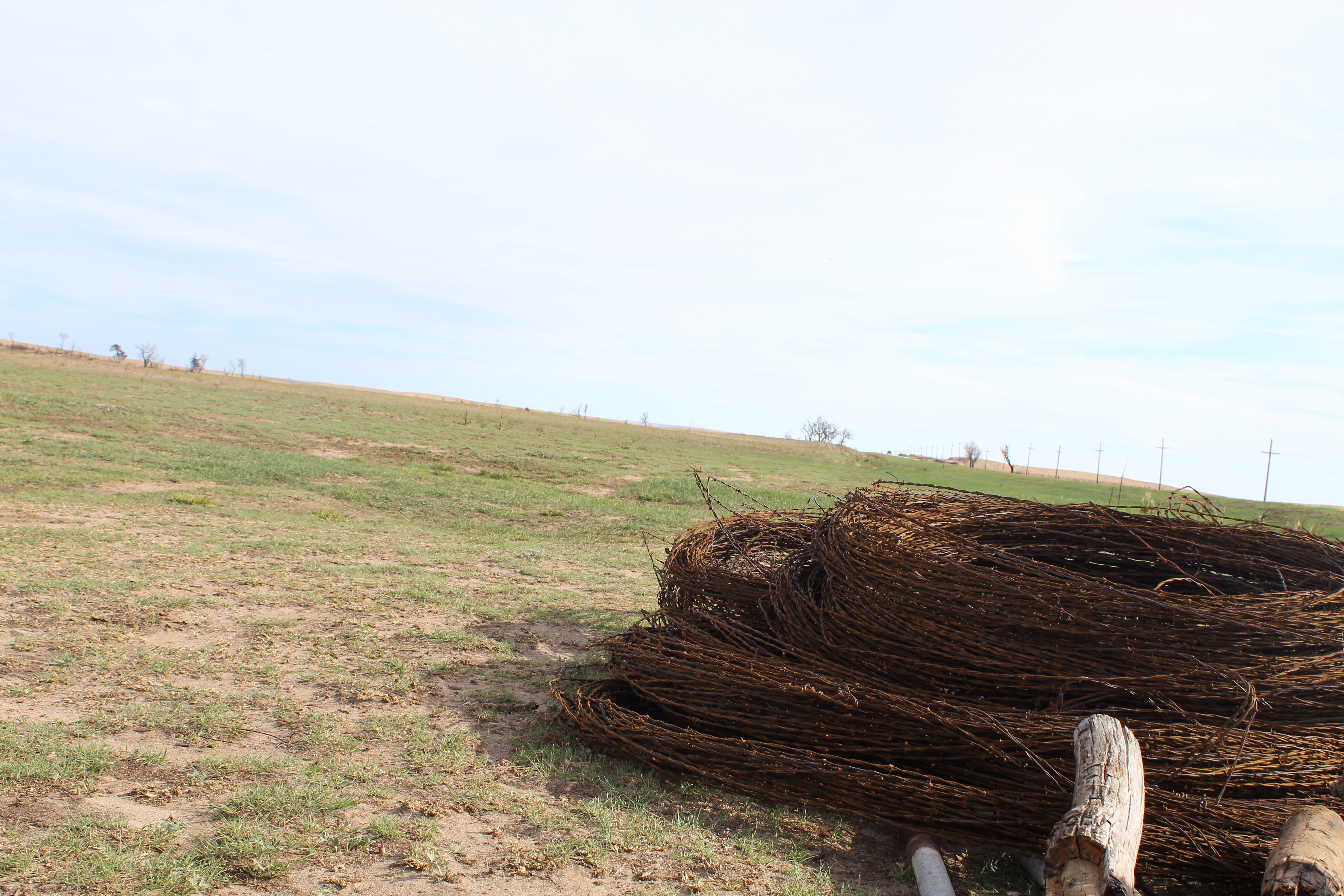
After church, we had another yummy meal and set out to put in a few more hours’ work. My crew went out to build more fence, but I got the opportunity to ride with Sunday’s host to deliver frozen meat donated by Tyson Foods around the community. We stopped by the Englewood post office and school building, which had become a community headquarters during the fire, and filled their freezer. After that, we went to a neighbor’s and gave them some frozen hot dogs, hamburger and other meats. I spent the remainder of the afternoon going around the host property with a rolling magnet to pick up nails from around a shed that had burned down. I brought my camera with me and have included a few pictures from the trip in this post. I decided to spare y’all the pictures of dead, bloated, burned-beyond-recognition cattle. I will share with you though some of the stories I’ve heard or read.
When you hear that a fire rampaged across ranch land, you would think “dang, all of those poor livestock that were burned to death.” Not completely true – while yes, hundreds of cattle burned to death, hundreds more simply burned. They didn’t perish immediately. Instead, ranchers were having to go out and find these mangled cattle and shoot them. Again, hundreds of their own cattle. I heard of a rancher on a small operation that went out with 40 shells and used them all. I know of another that had a military friend come back to help any way he could. The soldier asked what he needed to bring with him and the rancher’s response was one thing: bullets. So, the soldier brought bullets and then went out and euthanized more cattle so that the rancher didn’t have to do it anymore. Once again, my heart broke. What was to be done with these dead cattle? Two things happened – pits were dug to bury cattle close to the roads and highways, while dead cattle out on the range were left for coyotes and vultures to feast on. There were no other choices. I simply cannot imagine having to make these decisions with my cattle.
I also heard a story of a family in southwest Kansas that got separated during the fire as it tore through their property. The father and his 11-year-old son went out on four-wheelers before the fire reached their place in an attempt to get their cattle moved. The wind turned and the fire caught up to them. Father and son separated to gather cattle and the father found a few-hour-old calf that he threw onto the four-wheeler along with his three-legged dog, Doc, and continued leading cows away from the oncoming fire. In the smoke and confusion, the father t-boned his neighbor, also on a four-wheeler, and dad, calf and dog went flying. In the ensuing scramble, dad’s cell phone flew out of his pocket, which he had been using to communicate with his 11 year old, and he had forgotten about Doc. He didn’t realize he was missing his cell phone until he realized he couldn’t get ahold of his son – nor could the rest of his family get in touch with him. Meanwhile, the son got turned around in the smoke and couldn’t tell where he was. Fortunately, he was able to get ahold of his mother and she stayed on the phone with him until he found a fence line and followed that until he could figure out where he was. It just so happened that he was heading north (into the fire) and was able to get turned around to start heading away from the fire before it was too late. At one point, he hit a fire head on. He said he looked at the fire in front of him and saw a low spot in the wall, where the flames only reached up 2-3 feet rather than 10+ feet like elsewhere around him. “So I ran straight through the fire!” he said. Also out helping to gather cattle was the family’s 14-year-old daughter and her friend. They managed to stay alive as the fire passed them over by taking shelter under a rock overhang in the pasture. All of the family were separated from one another and didn’t know who made it out of the fire alright and who may not have. Eventually, they all ended up in the same place and were relieved to see that their whole family made it out alive. It was then that the father realized Doc, the dog, was missing. Assuming that he was dead, the family didn’t go out to look for him. It was a welcome sight and a ray of hope during the darkest of times when Doc showed up in their yard two days later, seemingly unscathed.
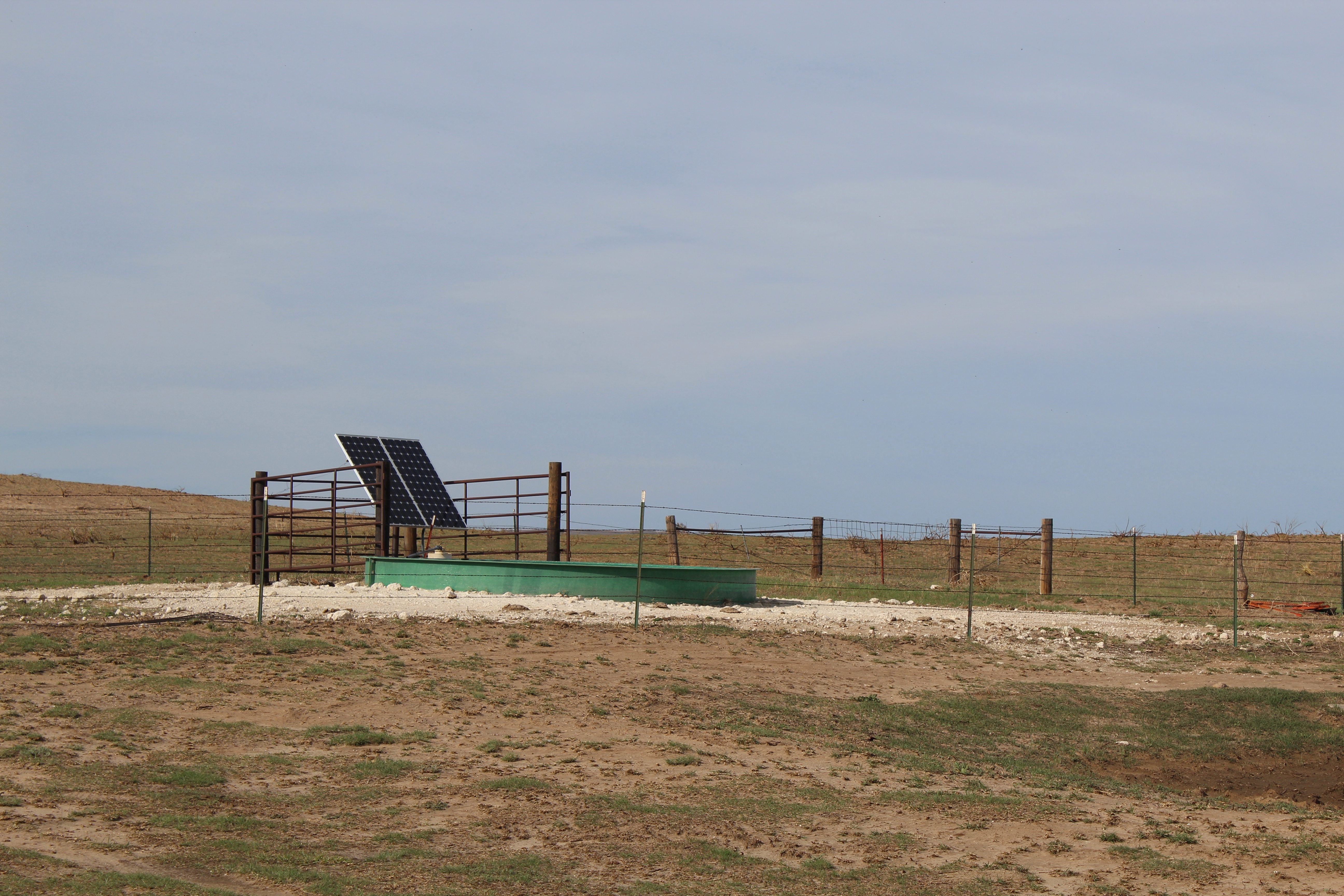
I returned to southwest Kansas this past weekend and saw the healing that was starting to take place. Fields were greening up and fences were being rebuilt. Some producers even made the best out of the situation by installing new technologies to replaced what had been lost to the flames. I saw one place that had put in a solar-powered watering tank (picture below) after the fire. Donations of wire, fence posts, hay and other necessities continue to roll in from all over the country. I passed several truckloads of hay heading west on my journey to and from Meade this weekend. You could recognize which trucks were coming to drop off donations, as most of them had American flags strapped across their loads. I was more proud than ever to be an American, and that, my friends, is a huge feat.
It is truly a miracle to see the agriculture community come together as it did in the wake of such a horrific disaster. I am so blessed to be a part of such a wonderful industry and love how we can all come together to help one another in a time of need. Let us all remember 1 Peter 1:6-7: “In this you greatly rejoice, even though now for a little while, if necessary, you have been distressed by various trials, so that the proof of your faith, being more precious than gold which is perishable, even though tested by fire, may be found to result in praise and glory and honor at the revelation of Jesus Christ.”
God bless those that have sent up prayers, sent out donations and helped to begin the healing process. Please continue to pray for the people here in the plains and help out if you get the chance – the more time that passes, the less people think about their needs although the needs of the ranchers will remain for years to come.

 Rachel Waggie